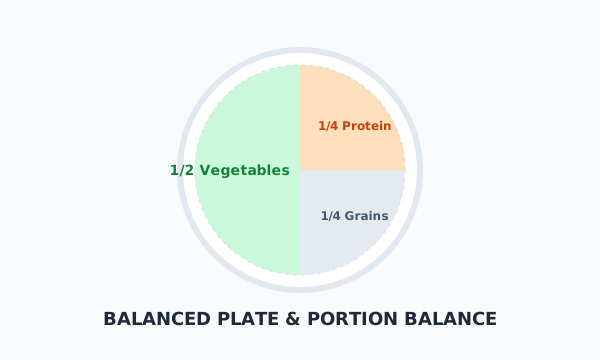
A visual, intuitive guide to portion awareness using simple everyday hand landmarks that restore trust in your body signals.
Counting every calorie down to single digits on phone apps can sometimes foster stress and disconnection from natural hunger and fullness cues. While baseline awareness of energy density is helpful, lifelong eating habits thrive on intuitive, repeatable visual estimations.
The Hand Method for Everyday Plates
Your hand is proportional to your body and is always with you. As a general starting framework: your palm represents a serving of protein-dense foods (poultry, fish, tofu, beans); your closed fist represents a serving of fibrous vegetables; your cupped hand represents complex carbohydrates (grains, fruit, sweet potatoes); and your thumb approximates healthy fats (olive oil, nuts, seeds).
Slow Down to Hear Fullness Signals
It takes approximately 15 to 20 minutes for satiety hormones (like leptin and peptide YY) to signal to the brain that nourishment has arrived. Eating while distracted by television screens or email often leads to finishing meals without truly tasting or registering the food.
Adjusting Based on Individual Needs
These guidelines serve as flexible starting markers, not rigid dogma. On days when you are exceptionally active, your body may genuinely require extra carbohydrates or protein. Tuning into physical hunger rather than emotional fatigue is a skill honed with gentle practice.
Nutrition Contributors
Written and curated in accordance with Weight Loss People's editorial standards—grounded in behavioral psychology, non-judgmental habits, and peer-reviewed wellness principles.